


Welcome to In Good Co., your weekly dispatch on neurodiversity and causes worth caring about.
💜 Stimmates® Spotlight
Nature’s Healing: How Eco-Therapy Boosts Neurodivergent Kids’ Wellbeing
The sights and sounds of nature aren’t just a break from screens. For many autistic and neurodiverse children, they offer a way to regulate emotions, spark curiosity, and feel connected to something calming and steady.
Eco-therapy or nature-based therapy is gaining attention for its ability to reduce stress, improve focus, and build confidence by gently inviting children to explore and engage in their surroundings at their own pace.
Many parents notice how certain natural elements become anchors: the steady sound of flowing water, the feel of soft moss, or the flutter of birds overhead.
These moments help kids find calm and build sensory comfort in a way few indoor activities can match.
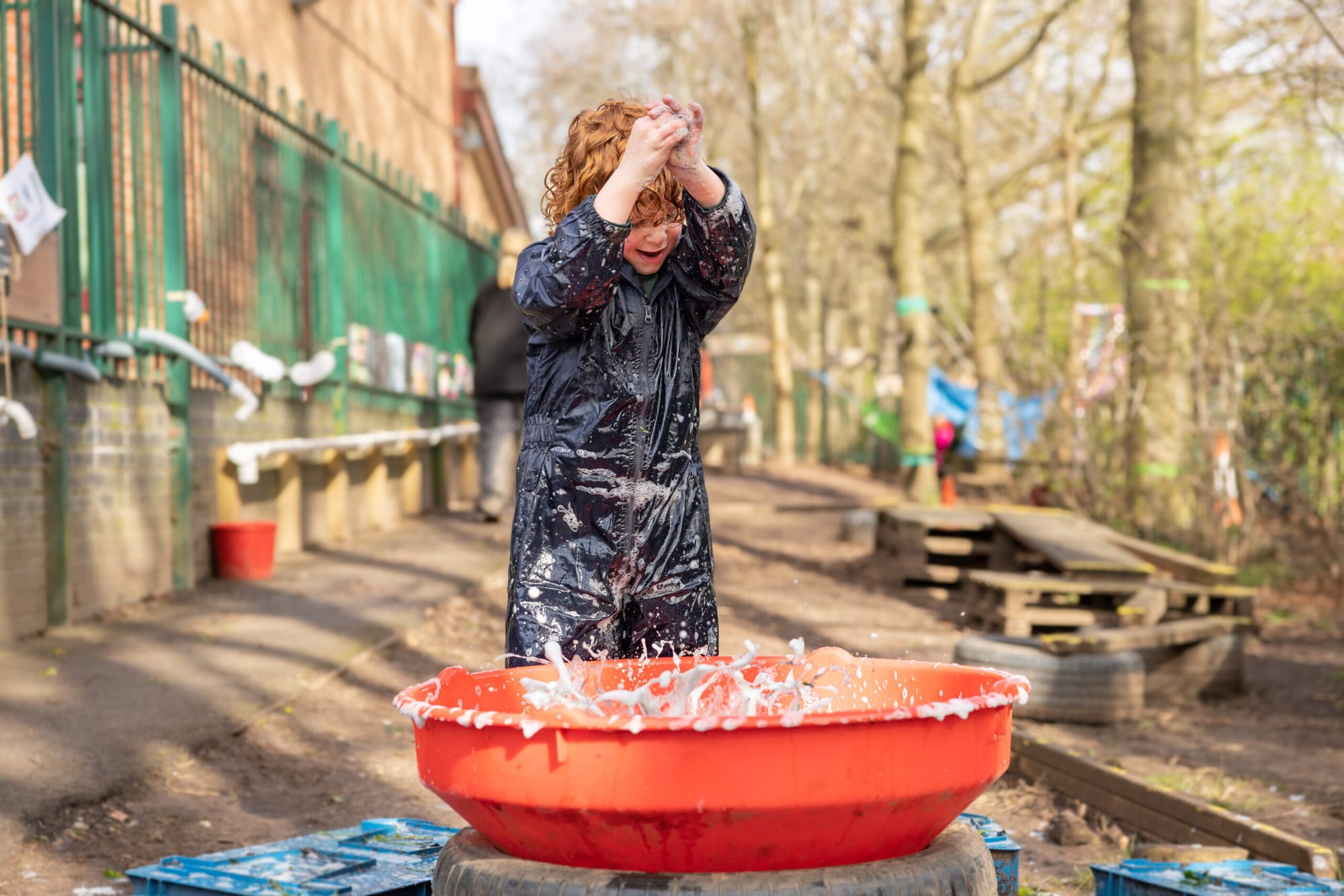
Schools like Evergreen in the UK (where my son goes) can be potential game-changers. Their forest program brings kids outside every week, letting them learn and play in natural environments, where exploration and discovery build a sense of wonder and well-being.
Why Eco-Therapy Matters:
- 🌳 Reduces anxiety and sensory overload
- 🐝 Encourages curiosity through exploration
- 💧 Water sounds soothe the nervous system
- 🍃 Supports stimulation and sensory development
- 🌞 Boosts mood and mindfulness
Tips for Families:
- 🚶 Take daily nature walks, even brief ones
- 🔎 Use sensory scavenger hunts with natural items
- 🪴 Grow indoor plants or small outdoor gardens
- 🎼 Play nature soundtracks or install water features
- 🌿 Let kids explore tactile natural materials
- 🌲 Natural Start Alliance: Promotes outdoor play and nature immersion for autistic kids and families.
- 🧩 Autism Nature Trail: Sensory trails and outdoor spaces designed to engage neurodivergent visitors.
- 🦋 Children & Nature Network: Advocates for children’s development through connection with the natural world.
- 🌻 NWF Kids & Nature Program: Educational resources connecting children of all abilities to nature.
Learn more at Stimmates®, a welcoming, safe space for neurodivergent people and their families to connect and thrive. Explore resources, share authentic experiences, and find support designed to make life a little less isolating.
💚 Communitees™ Corner
Raising Malawi: Madonna’s Mission to Lift Up a Nation Too Many Forget
I’m growing increasingly tired of the fear-mongering and polarized “fix our country first” rhetoric. Of course, we all want better schools, better healthcare, better leaders.
That’s the point of electing the right people to do their jobs.
But nonprofits exist to reach the corners of the world our governments don’t prioritize. And guess what? We can care about our own communities and about places like Malawi.
Humanity isn’t a zero-sum game.
“We can care for our children at home, support children in need around the world, and chew gum at the same time.”
While we’re busy debating at home, a place like Malawi rarely enters the conversation. Most people can’t even point to it on a map. That’s exactly why organizations like Raising Malawi, founded by Madonna in 2006, matter.

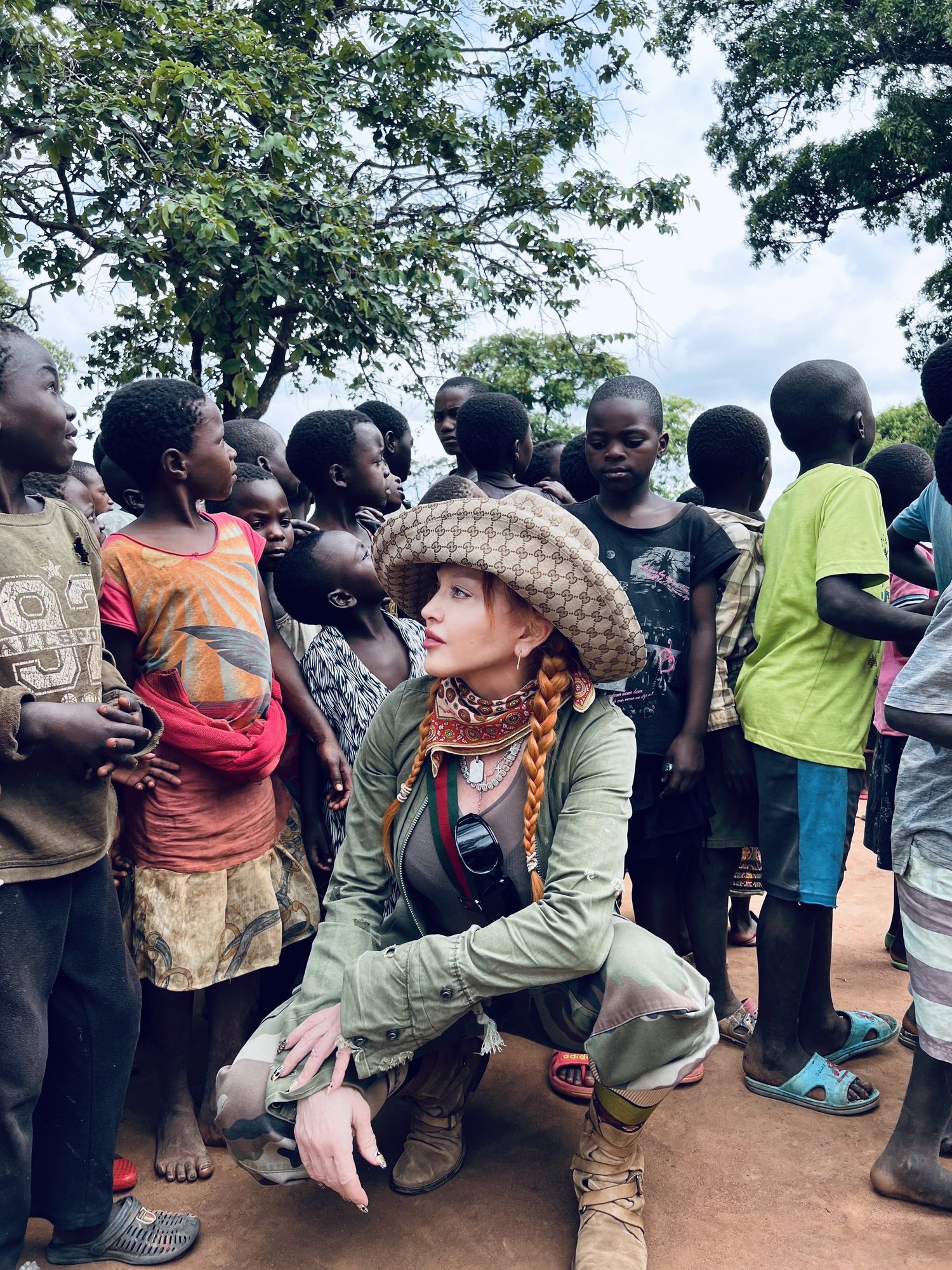
Raising Malawi helps reshape what’s possible for families living in one of the most vulnerable regions on the planet.
- 📚 Education & Empowerment: They build schools and invest in girls’ education to break generational poverty and create real opportunities for Malawi’s youth.
- 🏥 Healthcare & Specialized Support: They fund programs like the Mercy James Centre, providing surgeries, neonatal care, and trauma treatment for children with limited access to medical support.
- 🏡 Community Support & Stability: Through food aid, psychosocial services, and family-strengthening programs, they protect vulnerable children and help communities build safer, more stable futures.
- ⭕️ buildOn: Empowering communities through education in some of the world’s poorest regions.
- 👩🏫 CAMFED (Campaign for Female Education): Revolutionizing girls’ education throughout Africa.
- 📚 UNICEF Malawi: Providing education, healthcare, and protection programs for vulnerable children and families.
- 🍚 Mary’s Meals: Feeding children daily in their local schools to break cycles of hunger and improve learning.
Learn more at Communitees™, where cause-driven apparel gives more visibility to missions that matter. We collaborate with nonprofits, artists, and advocates to amplify messages of hope, equity, and change.
💙 Advocacy Angle
Food, Nutrition, and the Policies Shaping Our Plates
It’s crazy how much food politics dictates our daily lives. What we eat, what we can afford, what gets subsidized, and what makes it onto our kids’ plates has less to do with nutrition and more to do with lobbying, loopholes, and whoever is shouting the loudest on Capitol Hill.
And then there’s MAHA.
Spoiler: I don’t trust this/the government either. There ought to be skepticism. But we cannot afford to burn it all down just because bad actors profit from confusion.
Yes, the truth is messy. The system is broken.
But turning healthcare distrust into a brand has dire consequences. Agencies like the FDA and USDA are far from perfect, but the answer cannot be Instagram infographics or influencer pseudoscience.
Big business shapes policy. And ordinary people like us are left trying to figure out which foods are safe, which labels lie, and who to trust. Millions of Americans struggle to access fresh food while billion-dollar companies lobby for the right to call pizza a vegetable. That is not a joke. That is a law that actually happened… and I love pizza!
So yes, it is time to have a harder, more honest look at the policies that shape our nutrition. Not in a conspiratorial way, but in a way that demands better.
🍽️ 10 Food Policies That Sound Fake But Are Very Real
(Sourced from USDA, FDA, CDC, and major news outlets.)
- 🇺🇸 1. Pizza-as-a-vegetable: Congress allowed two tbsp of pizza sauce to count as a veggie serving in schools.
- 🏷️ 2. “Natural flavors” can be anything: The FDA lets companies hide animal products, MSG derivatives, and chemically altered ingredients under one vague label.
- 🚫 3. The U.S. allows additives banned in the EU and UK: Things like potassium bromate, titanium dioxide, and BVO are still permitted in America.
- 💰 4. Farm subsidies mostly fund corn, soy, and wheat: The foods that need subsidizing, like fruits and vegetables, do not get prioritized.
- 🧃 5. Added sugar did not need to be listed until 2020: For decades, families could not distinguish natural sugar from added sweeteners.
- 🍎 6. “Fresh” produce can be up to a year old: Apples and pears may have been in cold storage for 12 mos.
- 🍔 7. Fast food restaurants are not required to disclose full ingredients: Allergens, yes. All the rest is completely optional. Smh.
- 🥩 8. Pink slime does not require labeling: It is mixed into ground beef without disclosure.
- 🥛 9. Raw milk is illegal in many states: Meanwhile, ultra-processed foods are everywhere.
- 🍫 10. The FDA allows insect fragments in chocolate: Totally safe, but totally real.
These policies shape what our kids eat, what we spend, and how healthy our communities can be.
- 🌱 Buy local when you can: A few swaps a month at local farmers' markets and community-supported farms can make a real impact.
- 🍎 Choose whole foods when possible: Take small steps toward less processed eating.
- 🌿 Grow one thing: A pot of basil. A tomato plant. Kids LOVE this, especially ND kids who thrive on sensory exploration.
- ♻️ Compost in whatever way works: Countertop composter, outdoor bin, community compost drop-off. Everything counts.
- 📚 Teach kids where food comes from: Cook together. Plant a seed. Visit a local farm. Kids internalize what they experience.
- 🌍 Support regenerative farming: These farmers restore soil, reduce emissions, and produce nutrient-dense food.
- 🤝 Push for actual policy change: Nutrition equity, school lunch reform, transparent labeling, local food subsidies. Families shouldn’t fight this alone.
✅ Action Steps: Make It Personal. Make It Policy.
🗣️ Raise your voice. Contact your elected officials. Demand clearer food labeling, stricter safety standards, and subsidies that support nutrition, not corporations.
🇺🇸 United States
- USA.gov Elected Officials Directory: Comprehensive directory for federal, state, and local officials.
- Contact Your Senator: Visit the official Senate website to find and contact your U.S. Senators.
- Contact Your Representative: Visit the official House of Representatives website and search by ZIP code.
- GovTrack.us: Search and track members of Congress, with contact info and legislative activity.
- Vote Smart: Search elected officials with biographical info and contact details.
🇬🇧 United Kingdom
- WriteToThem: Easily find and contact your MP, local councilors, and other representatives.
- UK Parliament Contact: Official MP contact details.
🇨🇦 Canada: Find and contact your Member of Parliament.
🇪🇺 European Union: Find your official parliament contact.
🇦🇺 Australia: Find your federal MP or Senator.
- 🌾 FoodPrint: Research and guides on how food policy affects the environment, workers, and community health.
- 🥕 Center for Science in the Public Interest: Leading watchdog for food safety and honest policy.
- 🌍 Slow Food International: Global movement promoting sustainable farming, biodiversity, and equitable food systems.
- 🌿 Environmental Working Group (EWG): Research on toxins in food, farming, and household products.
💛 Before You Co.
Eddie’s Weekly Wrap-Up
🎵 Sing w/the Co. | “Crash Into Me” by Dave Matthews Band
I was on a road trip to Las Vegas recently when this popped on the radio. I was never a big Dave Matthews fan, but a lot of kids I grew up with were.
He has an uncanny way of writing songs that feel, I dunno… tender, I suppose, is a good word for it.
He’s also a longtime supporter of The Bama Works Fund, which has raised millions for children, education, environmental protection, and community support in the Charlottesville, Virginia area. 💛
“Sweet like candy to my soul, sweet you rock and sweet you roll.”
📚 Read w/the Co. | Ghost (Track Series #1) by Jason Reynolds
 Jason Reynolds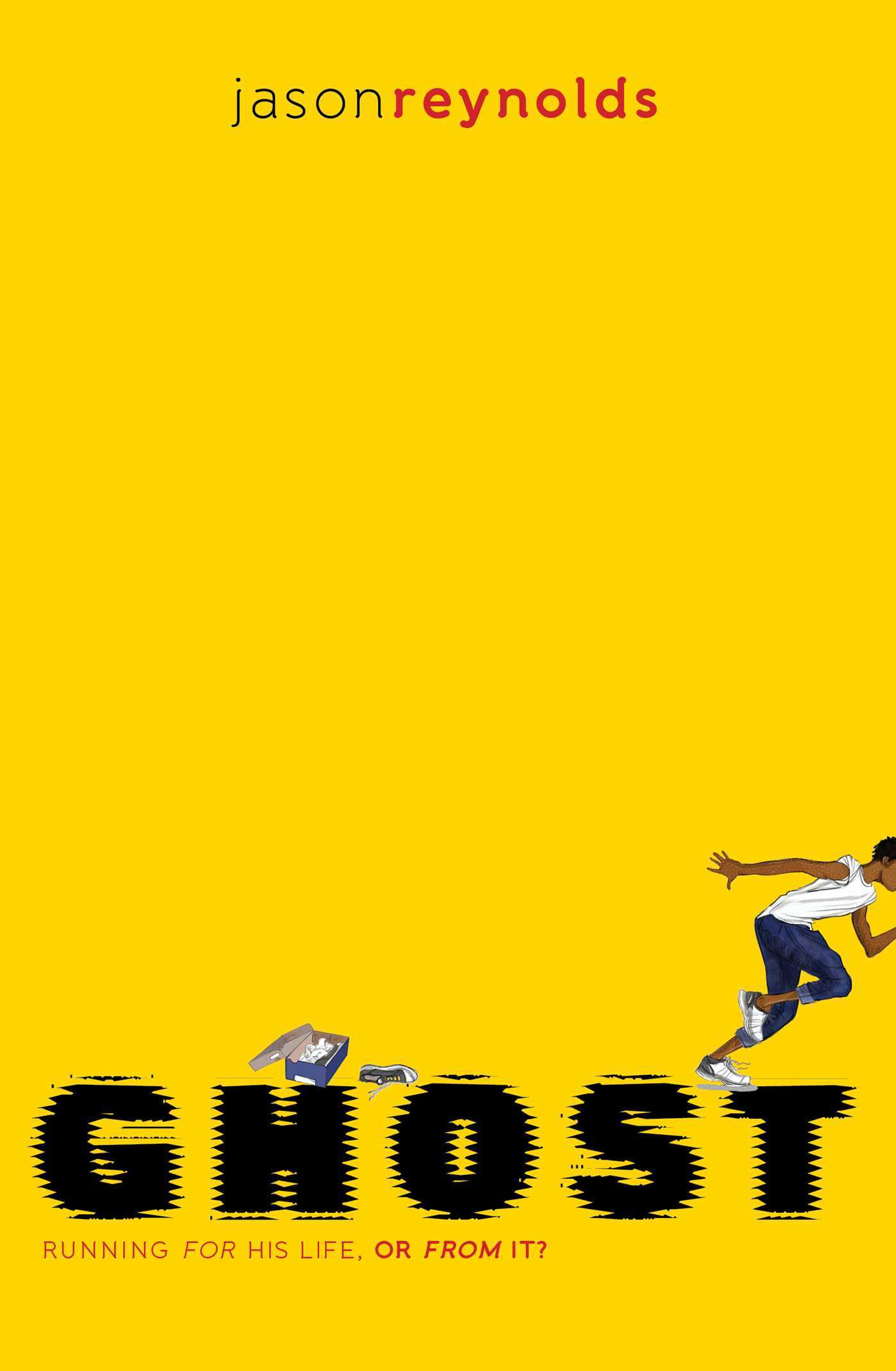
A teacher recommended this one to me. It’s part of Jason Reynolds’ 5-book Track Series, following a young boy trying to outrun his past while finding belonging on a team that feels more like family. 💛
“You can’t run away from who you are, but you can run toward who you want to be.”
📺 Watch w/the Co. | Miracle Run (2004)
 jpschapira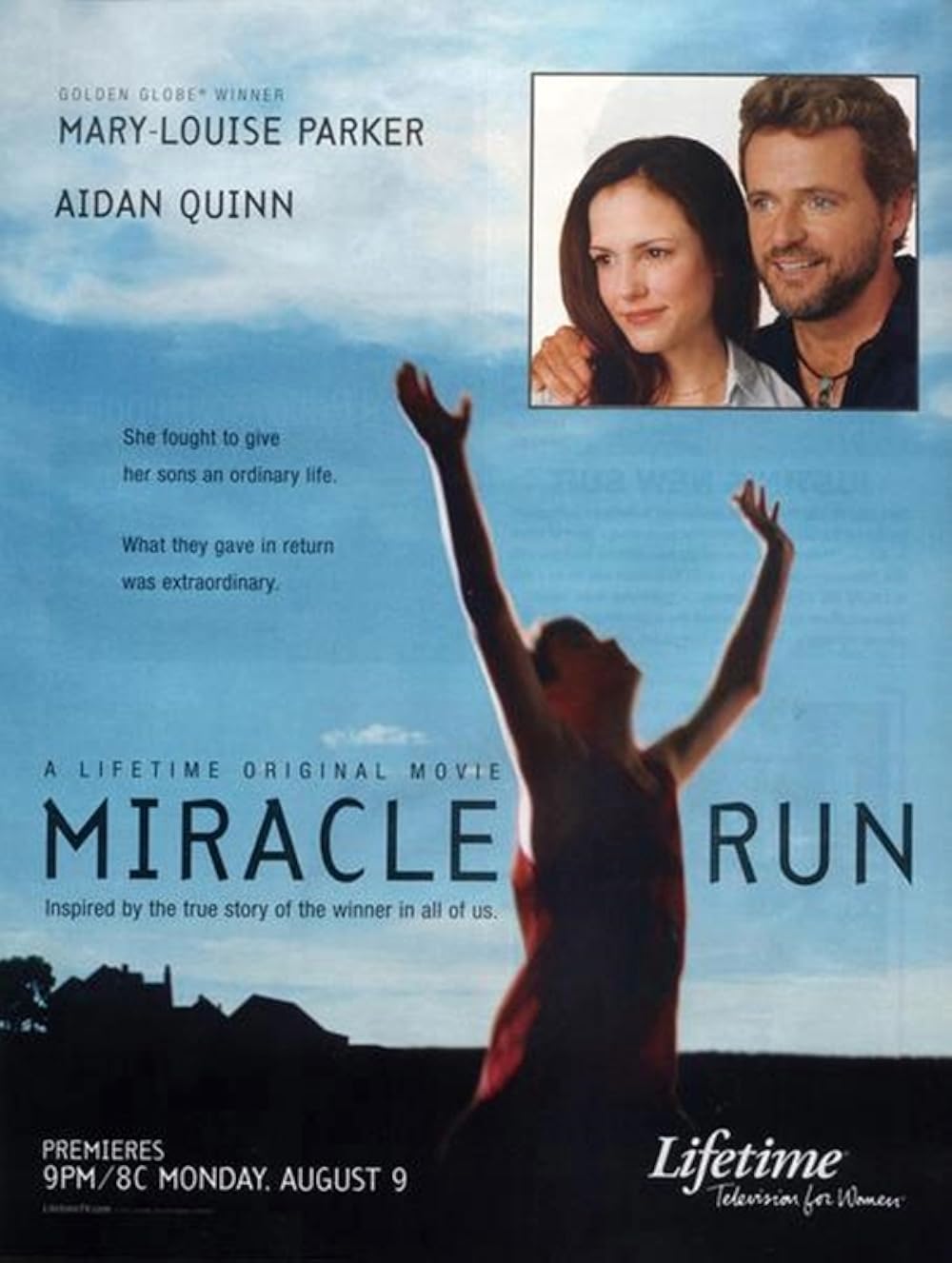
A powerful made-for-TV film about a single mother raising two autistic twins. It’s a reminder that autistic kids don’t need “fixing” — they need someone who believes in them and is willing to go to war for their potential. If you’re walking this road alone, this film sits right beside you.
🛍️ Shop w/the Co. | PlantPaper (Toxin-Free Toilet Paper)


PlantPaper Tissues
100% free of bleach, formaldehyde, and irritants. Made of soft, strong, 3 ply FSC® certified bamboo. 100% plastic-free packaging.
Most TP is still made the old-fashioned way: cut down trees, bleach the pulp, drain a ridiculous amount of water, and hope no one notices the PFAS hiding inside.
After years of research, PlantPaper created a chemical-free, ultra-soft roll that utilizes bamboo and only a fraction of the water. One side for dabbing, one side for grabbing. Finally, TP for actual humans living in the 21st century.
❤️ Spread the Love and keep the good vibes going. We’re not backed by sponsors or grants, so every little bit helps.
👉 Subscribe to In Good Co. for weekly wake-up calls on neurodiversity, advocacy, and causes worth supporting.
👉 Join the Co. to fuel projects like Stimmates™ and Communitees™ and keep our mission thriving.
👉 Connect with us. Share your story, amplify a cause, or get featured in our weekly newsletter.
👉 Meet our Friends & Co. These are the orgs featured in our newsletter who help keep our mission alive.

Discussion